

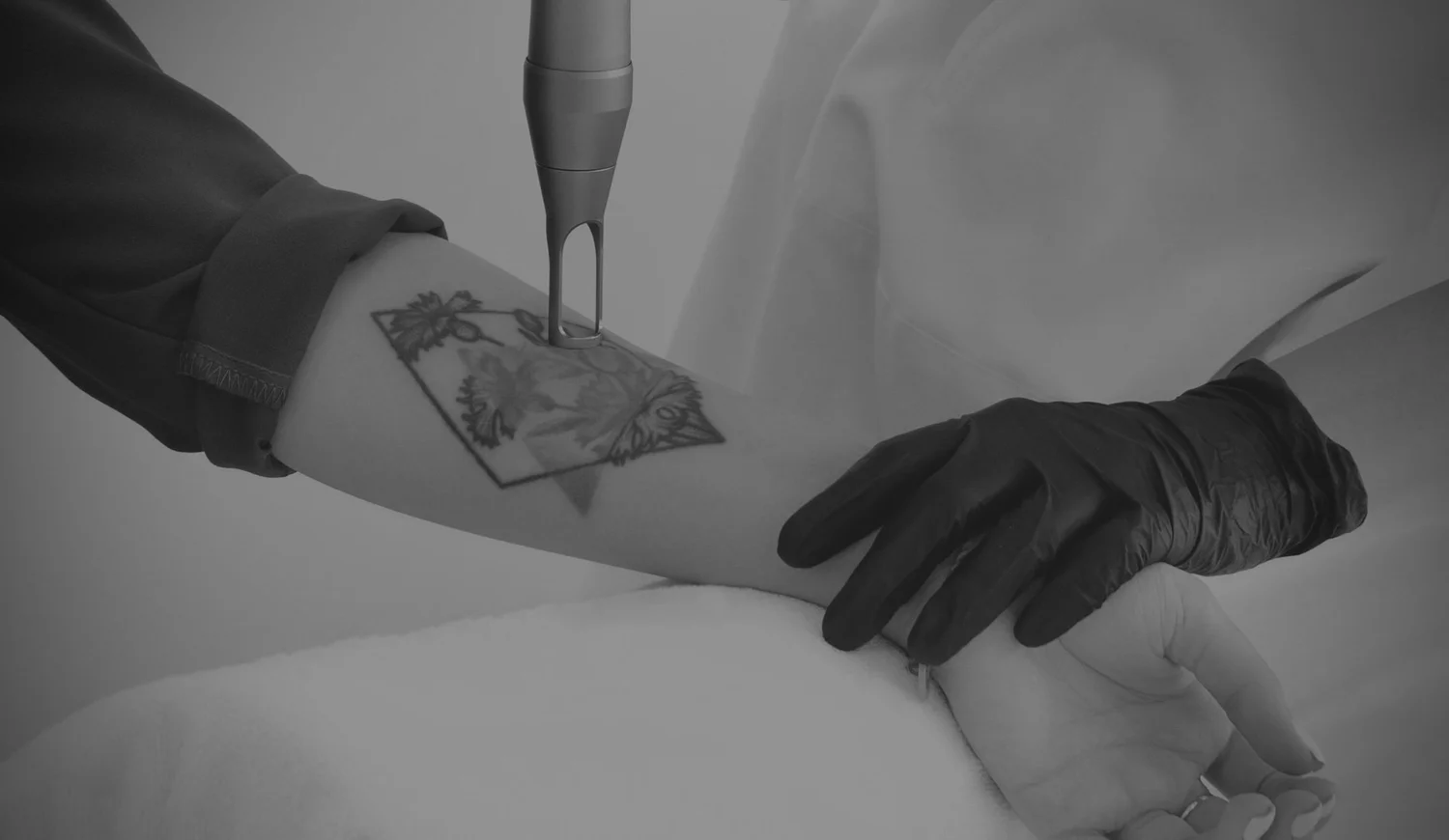
Laser tattoo removal
Remove it
Or fade it
Rethinking your ink?
Not every tattoo needs to be removed completely. Sometimes you want a fresh start; sometimes you want to give a future cover-up more room to work.
The studio’s picosecond laser breaks ink into tiny particles that your body then clears away naturally. How many sessions you'll need depends on the ink, the colour and where your tattoo sits.
An individual treatment plan will be designed around your tattoo, your skin, and your goals.
The first step is to book in for a consultation and patch test.
Book your consultation ↓Results
Before and after
Results after just 1 session.
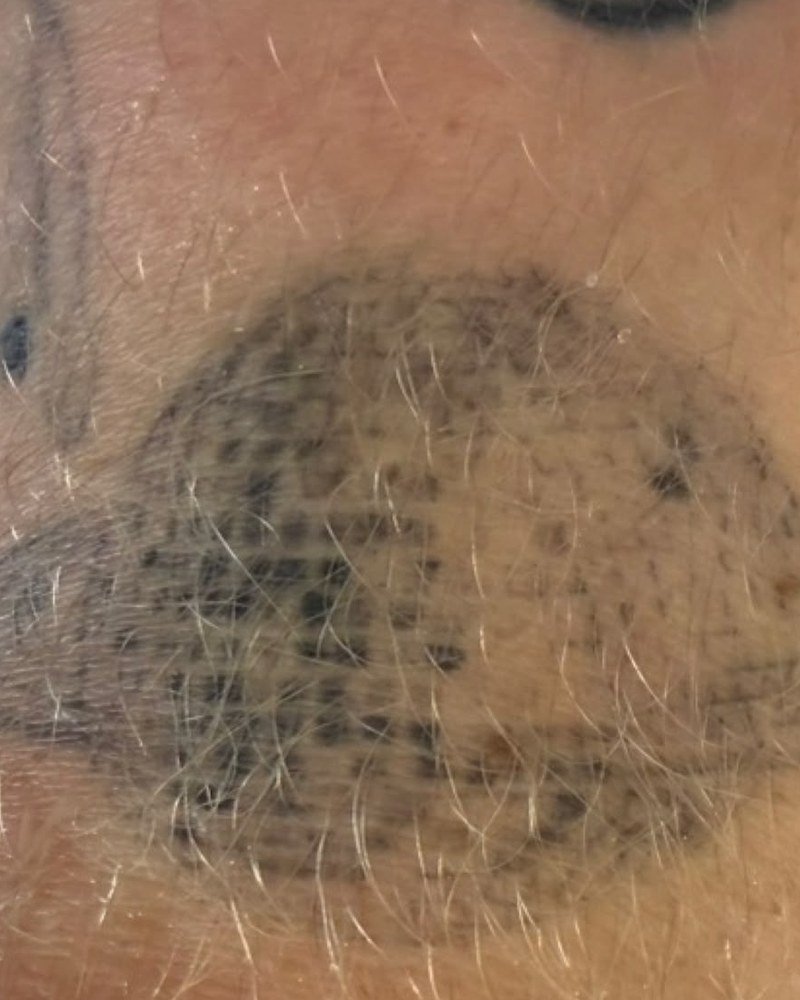
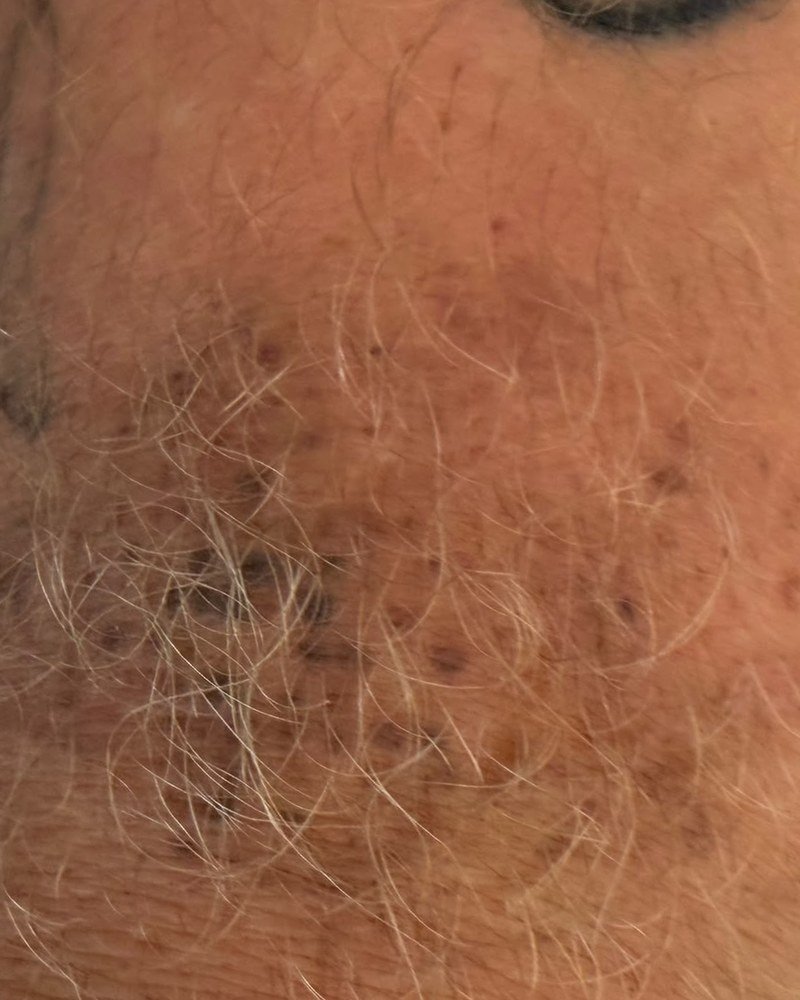
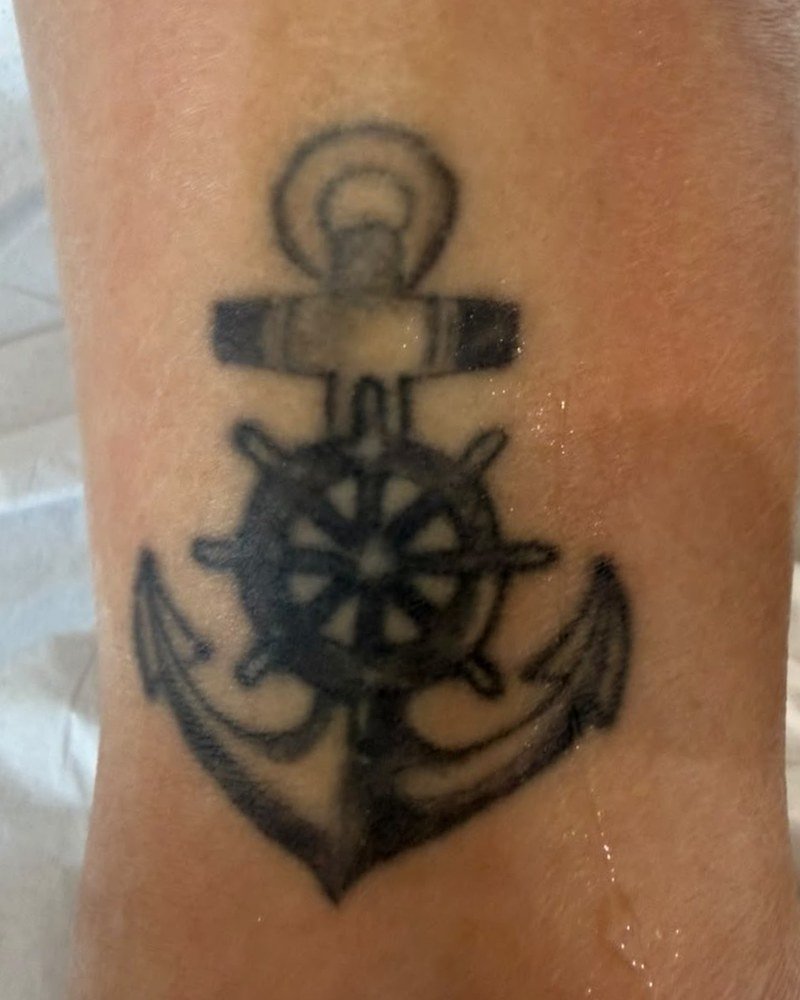
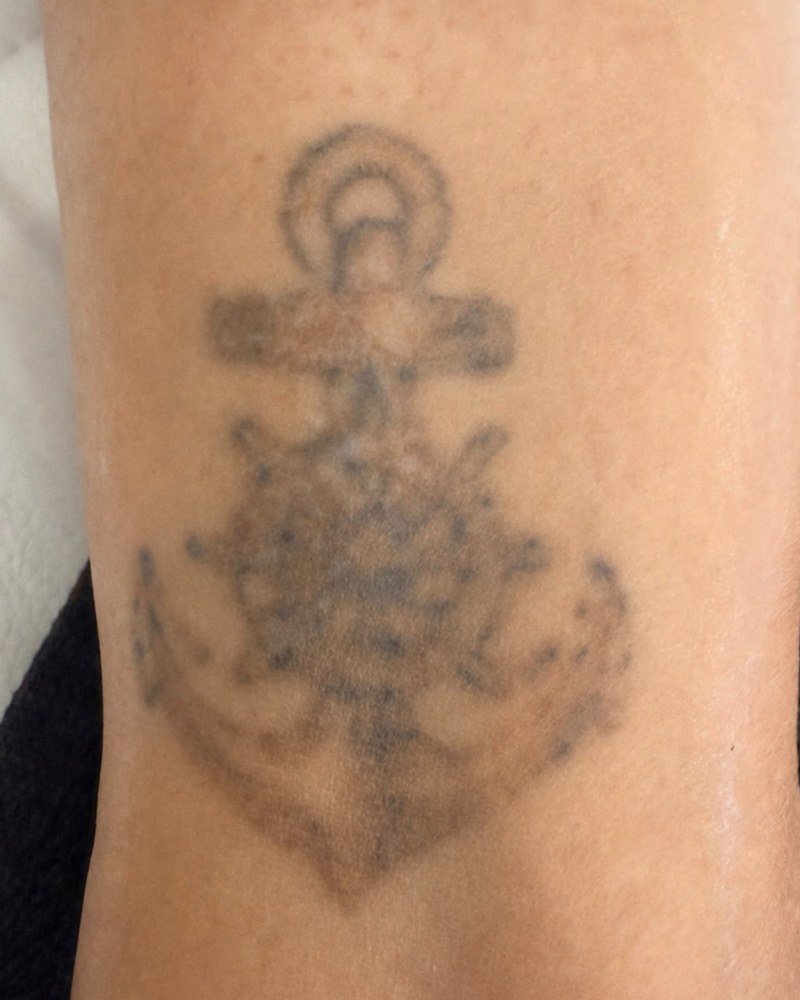
Results vary. Every person's immune system is unique, and we all heal differently.
Tattoo removal pricesChoose your session
Treatment length depends on the size, colour and age of your tattoo. If it’s your first session, book in for a consultation and I will guide you through your options.
Loading treatments…
Save 25%Tattoo removal packages
Buy 3 sessions for 25% less than paying separately, and valid for a year. Simply purchase a package, then book each session as you go.
Loading packages…
How does laser tattoo removal work?
A picosecond laser is used to treat tattoos here at Laserasure. This advanced technology works through a process known as selective photothermolysis:
Focused light, set to target a particular colour, is flashed very quickly at your skin. The ink particles absorb that light, and because it's so intense and focused, they shatter into tiny pieces.
Your own immune system then carries those particles away, which is why your tattoo keeps fading between sessions. It's also why staying healthy, hydrated and active can help your results.
How many sessions will I need?
It's the question everyone asks, and the honest answer is that it depends on you. Even with the studio's powerful pico laser, your results largely rely on your own immune system.
Where your tattoo sits matters too. The further it is from your heart, the weaker the circulation and lymphatic system there, so tattoos on hands, fingers, ankles and feet are usually the most stubborn and need more sessions.
It's usually between 3 and 8 sessions, sometimes more, depending on factors including the age, type and location of the tattoo, as well as how much fading you'd like. Every person's immune system is unique, and we all heal differently. You'll have a clearer idea after your first one or two treatments.
Does it hurt?
What can affect my results?
As well as the quality of the laser and skill of your technician, your body is what actually does most of the work, so a few things make a difference:
- how well hydrated you are
- your circulation
- the health of your veins (which alcohol and smoking can affect)
- how active you are.
You can help to improve your results by following the aftercare advice carefully, staying well hydrated before and after your treatment and keeping your body moving.
Once your skin is healed enough, gently massaging the area and the surrounding lymph nodes can really help the ink to make its way out of your body.
What about scarring?
Technology has moved on a long way since the very harsh laser treatments available in the past, so the risk is low but not zero.
Picosecond lasers like the one at Laserasure carry a reduced risk of scarring because they rely on photomechanical (sound and pressure) more than purely heat-based disruption of the ink particles.
Some people get slight blistering or tiny specks of blood, which should heal within a week, and following your aftercare helps your skin heal well.
If your tattoo is already raised or scarred, this may improve slightly over the course of treatment as collagen production is increased as part of the healing process, but it is unlikely to flatten completely.
The risk of scarring is of course higher for people who experience keloid scarring, or tend to heal poorly.
Can every colour be removed?
Black responds best. The studio's picosecond laser also uses wavelengths that target stubborn blue and green ink more effectively than older lasers. Some colours may still fade rather than clear completely, and your patch test will show what to expect.
For more detail, take a look at the 'What's the difference between Q-switched and pico lasers?' FAQ.
What's the difference between Q-switched and pico lasers?
A picosecond laser is what's used at Laserasure.
Both are extremely powerful pieces of technology. The two main differences are how fast the light flashes, and the wavelengths of light they use:
Pulse speed. Q-switched lasers flash in nanoseconds, while pico lasers flash in picoseconds, around 1,000 times faster. That means the treatment relies more on a pressure effect than on heat (a photoacoustic wave if you want to get technical!), so less heat spreads to the surrounding skin, with less damage and generally quicker healing. The ink also breaks into even smaller particles, which are easier for your body to clear. Overall, you'll likely need fewer sessions and have fewer side effects.
Wavelengths. Different wavelengths target different ink colours at different depths. Q-switched lasers (usually Nd:YAG) typically have two settings: 532nm for red, orange and brown ink, and 1064nm for black. Pico lasers can also use 755nm or 785nm, which target stubborn blue and green ink more effectively.
Yellow is always the trickiest to remove no matter which laser is used, simply because of its similarity to the melanin colouring the skin.
How should I look after the treated area?
- Treat it like a fresh tattoo: be gentle, and keep it clean, dry and out of the sun while it heals.
- Avoid perfumed or alcohol-based products, as they can irritate your skin.
- Apply pure aloe vera gel or a barrier cream if you'd like, to help it heal.
- Wear SPF, or keep the area covered, to reduce the risk of pigmentation changes.
How soon can I get a cover-up?
Get in touch